Tuesday, July 05, 2005

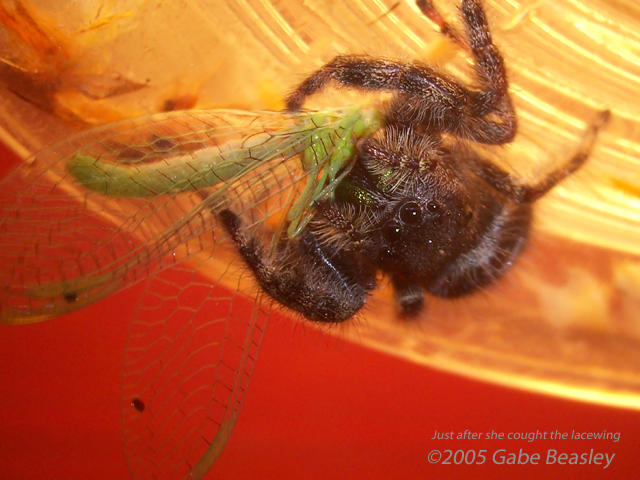
I was able to set my camera up to video this
on-lamp jumper. This is the same one in the
first pictures on my sight. She lives above this
light. There is a 75w light bulb in that glass.
I am luckily had a semi-wide angle lens that did
macros well with nearly an f 20 setting total setting here.
I was able to shoot a video of this capture
which I do not know how to post on my site yet-
but I can't wait to show it. It clearly shows
her catching this lacewing as she has really
gotten used to the presents of myself and my
camera. Almost curious--I though she was
going to jump on my camera.
Catching an event like a jumping spider catching live food naturally is a very rare thing--I got really lucky. I am still not sure what to do with the video. I'm sure I could sell it but I want to find a way to put it on my website so people can watch for free. I'm not sure how to do that yet--or if I can even do it here. Until I figure out what I am going to do I will post the stills I have. This is of corse difficult to get features because my backdrop is a bright lightbulb. This camera's built in flash however was powerful enough to get a useable shot. I find the adjustable flashes in digital cameras very useful. Built in or add on--I've recently been doing a lot of thinking and learning about lighting. A flash you can turn down to a soft under-exposure and all the way up to a overexposure with good refraction and many settings in between is very useful. Most digital cameras built with manual functions and a built in flash have an option for flash brightness.

Night light-

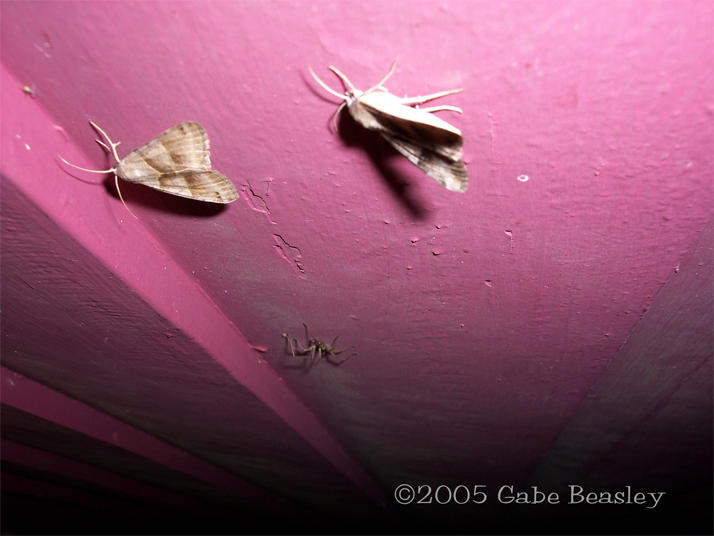
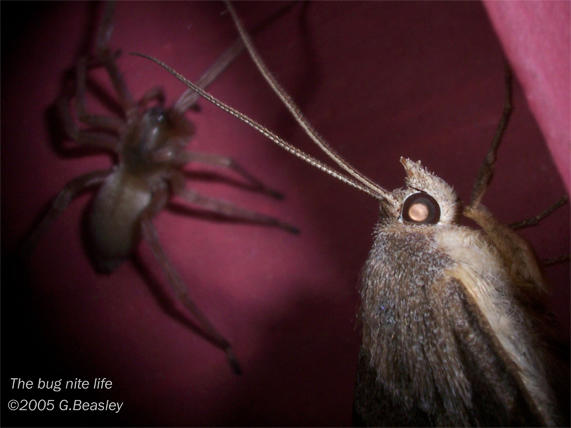
The closeup above is of one of these
moths. The larger one is just about
an inch long (body). Notice the
waiting sack spider in the distance.
Some people have told me they can't
see it--look down towards the
bottom right where the picture
goes into the darkness--now
you should see the legs near the
left hand corner. Click on the
photo for full image. Adjust your
monitor contrast/brightness if
you really want to see it.

The night creatures-


There are many moths that live here in Eastern Oregon. The lights are crowed on warm
nights. The insects coming as if to get a fix--then come the spiders, sack spiders, jumpers and
much more. Here are some examples of moths
and night creatures that I have often near my
lights. It's incredible how much you can get to
photo with just a 75W bulb outside even when
my nabors have the ultimate streetlight
unfortunately, I can't go up to it--the insects still
come to mine.

Monday, July 04, 2005

Moths of the Gorge, The Dalles Oregon


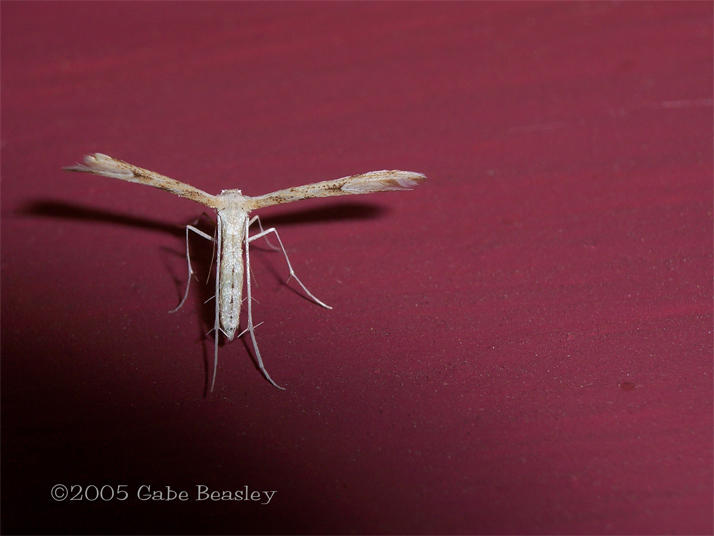
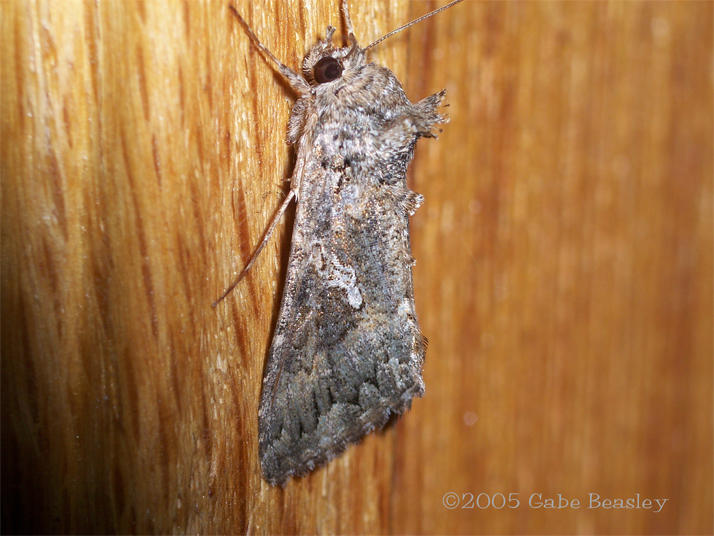
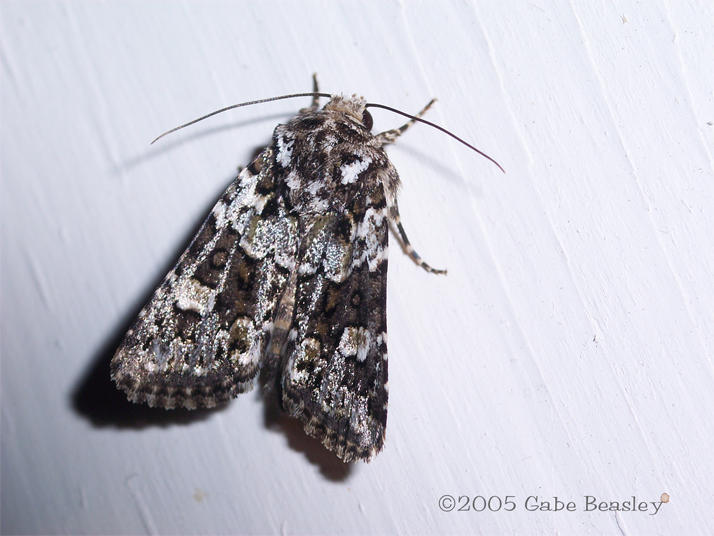
These colorful moths are just a couple of examples of the 100s of species from 3mm
long to nearly 50mm in the picture on the left I have photographed every night.
Using two different macro lenses I can capture the smallest and the largest very well.
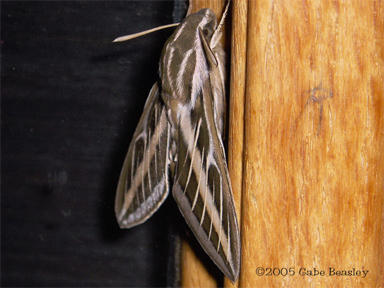
The hawkmoth is huge--I believe it is related to the tomato worm. I have only seen
one of these here, and photographed it only once. New species seem to appear every
night and my collection of moth photos is at least 1000 now. If you know the names
of any of these moths--e-mail me or leave comment.


I took this one just tonight, you can
see the varied species--and sizes.
They must come from all over the place
out here in the gorge. I am still
amazed at how many kinds there
are--some very intricate and beautiful

Sunday, July 03, 2005

Aphids!


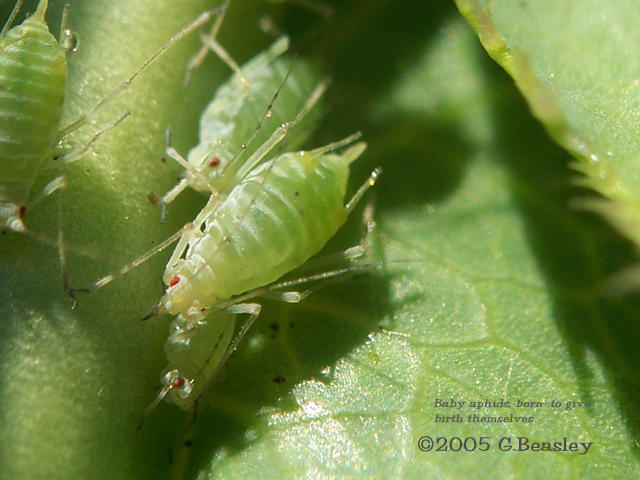
These photos were taken with one of my high power macro lenses. Aphids are literally born pregnant and give LIVE birth! If you watch them through a lens long enough you can see this proses, I have yet to catch it but it’s pretty strange. They multiply very quickly–if it were not for the many species that eat aphids–many crops and plants would be sucked dry like some weeds I have in my photobug-garden at my home. These pictures were taken with a two element 49mm macro lens built from used quality broken video equipment. The lens supports 49mm filters and worked out really well for these kinds of serious macro shots.

Don't ever think because it's dark you need to hang up your camera-


To catch animals--if you want to try this you might want to have another camera set at a high ISO and or with a powerful flash. Many people seem to leave 400+ISO alone, but I find it very useful for macro and night shots sometimes. If your camera has a good built in noise limiter night pictures are easy and can be really useful if you’re a night owl like myself. Most insects and Spiders cannot see red light–in fact a red filter of any type over a flashlight is enough to focus your camera–(Red LED flashlight) without alarming a spider in near darkness.


This is not a trick photo (moth and spider shot). In fact it was taken right outside my door lamp--100s of insects and countless of them moths, come most of the year. There is a huge variety of moths here--much larger then I thought. I have almost 1000 pictures archived of moths I've taken by leaving my outside lights on and waiting with a macro lens on my camera.

Night photography


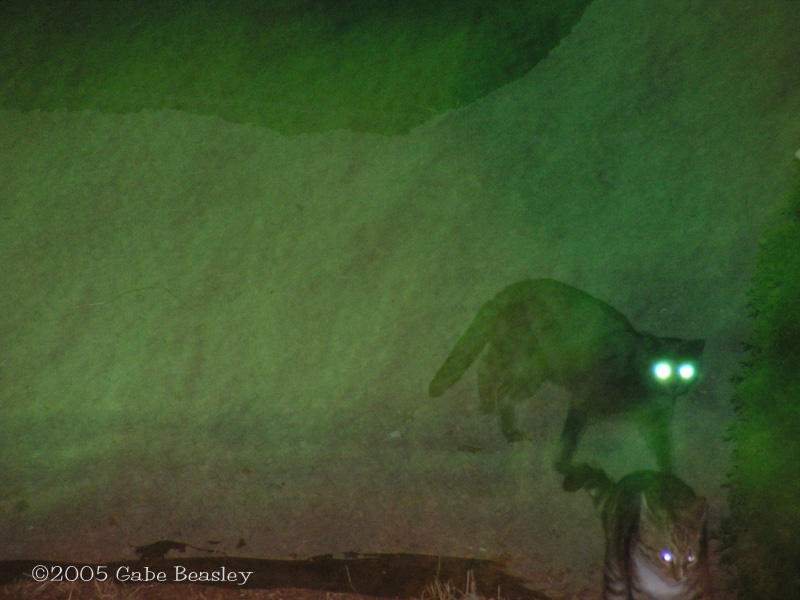
I take many pictures at night. Night photography is fun and interesting especially if you bring a large electric lamp or have porch lights. Many of my really nice shots have been done at night with my macro lenses of insects that are addicted to the outside lights and come as if to get a fix--and the spiders that come to catch them for dinner. Sack spiders are most common here. For moments like this cat picture--I keep a second camera ready when I am taking macro shots for exactly the unexpected--there are many kinds of animals out at night here.

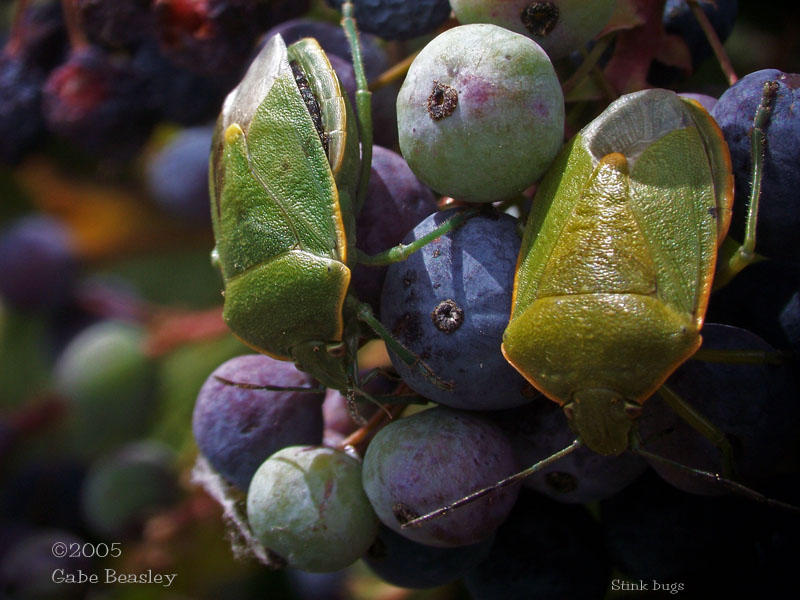
Stink bugs

Green stink bugs. Young ones are gray (I think)